Signs A Property Needs a Wildlife Inspection
Discover the Signs You Need a Wildlife Inspection in McHenry County
Hearing strange noises at night or noticing unusual damage around your house can be unsettling. For homeowners in McHenry County, IL, living alongside raccoons, squirrels, bats, and mice is simply part of life. However, when these animals decide to move indoors, they transition from natural neighbors to destructive pests. Ignoring a minor wildlife issue can quickly escalate into a severe structural and health hazard. Animals seeking shelter will chew through wood, tear up insulation, and leave hazardous waste behind. Identifying the early warning signs can save you from costly repairs and sleepless nights. Knowing exactly what to look for is the best way to protect your property. As you read below, we will help you identify common indicators that uninvited guests have entered your home and explain why scheduling a home wildlife inspection is the safest next step.
Why Wildlife Inspections Are Essential
Animals are incredibly resourceful when it comes to finding warmth, food, and shelter. Unfortunately, your attic, crawlspace, or walls often provide the perfect habitat. A wildlife inspection is critical because it identifies vulnerabilities in your home’s exterior and locates animals before they can cause extensive destruction. Early detection enables humane removal and prevents animals from multiplying inside your walls.
What Is a Wildlife Inspection?
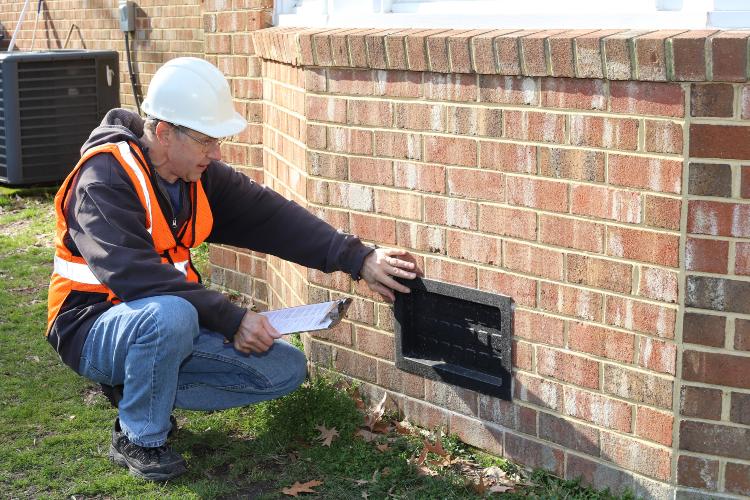
A comprehensive wildlife animal control inspection involves a thorough evaluation of your property by trained experts. Professionals examine the roof, foundation, vents, and interior spaces like attics and basements. They look for entry points, assess the extent of the infestation, and determine exactly what type of animal has moved in. This evaluation forms the foundation for an effective, targeted removal and exclusion plan.
Common Audible Warning Signs
One of the most frequent indicators of an infestation is sound. Since many nuisance animals are nocturnal, you will likely hear them when the house is quiet at night. Listen for scratching, scurrying, or thumping noises originating from the ceiling or inside the walls. Different animals make different sounds. Squirrels often scurry quickly during the early morning or late afternoon, while raccoons make heavier thumping sounds overnight. Bats might produce faint squeaking or fluttering noises near the roofline.
Visible Signs Inside the Property
Once an animal breaches your home, they usually leave a trail of evidence. A proper wildlife damage inspection often reveals torn insulation, chewed drywall, or frayed electrical wires. Feces and urine stains are also major red flags. If you discover small, dark droppings in the attic, pantry, or basement, an animal has definitely taken up residence. You might also notice unexplained foul odors lingering in specific rooms or hallways.
Exterior Signs Around the Home
Animals have to get inside somehow, and their entry points are usually visible if you know where to look. Walk around your property and inspect the exterior. Look for torn window screens, bent soffits, loose siding, or holes chewed through the fascia boards. Uncapped chimneys and damaged roof vents are also highly attractive entry points for raccoons and birds.
Frequent Wildlife Sightings
Seeing a squirrel run across your fence is normal. Seeing a raccoon repeatedly lingering around your porch, roof, or garbage cans is a different story. If wildlife is consistently hanging around your property, they might be nesting nearby. A wildlife home inspection can determine whether these animals are just passing through or have officially moved into your living space.
Seasonal and Situational Red Flags
Wildlife behavior changes with the seasons. In late fall and early winter, animals aggressively seek warm places to survive the cold winters in McHenry County. During the spring, many species look for safe, isolated areas to give birth and raise their young. If you notice a sudden spike in animal activity around your roofline during these specific times of the year, it is a strong indicator that a mother has chosen your attic as a nursery.
Risks of Ignoring the Signs
Hoping the animals will eventually leave on their own is a dangerous strategy. Rodents constantly chew to keep their teeth sharp, which puts your home at severe risk of electrical fires if they gnaw on live wires. Accumulated droppings can foster mold growth and spread diseases such as histoplasmosis and salmonella. What starts as a minor nuisance can rapidly become a massive health and safety liability for your family.
When to Schedule a Professional Wildlife Inspection
If you notice any combination of the signs listed above, it is time to call in the professionals. Attempting to trap and remove wild animals on your own is dangerous and often illegal without the proper permits. At Illinois Wildlife Services Inc., we provide thorough, humane solutions tailored to your specific situation. Our technicians conduct a detailed wildlife removal inspection to secure your property, safely evict the animals, and seal up entry points to ensure they never return.
Protect Your Property and Peace of Mind
Your home is your largest investment, and protecting it from wildlife damage requires vigilance. By paying attention to strange noises, exterior damage, and unusual odors, you can catch infestations early. Don’t let wild animals turn your attic into their personal sanctuary. If you suspect an animal has entered your home, reaching out to a local expert is the smartest way to reclaim your space and protect your property in the long term. Contact us today for assistance.