Dangers Of DIY Wildlife Handling
DIY Wildlife Removal: The Pros & Cons in McHenry County, IL
Hearing scratching noises in your walls or finding a raccoon digging through your trash is unsettling. Your first instinct might be to grab a flashlight, buy a trap from the local hardware store, and take care of the problem yourself. Saving money sounds appealing, but taking matters into your own hands often leads to unexpected disasters. DIY wildlife handling is a straightforward weekend project. However, wild animals are unpredictable and highly territorial. Confronting them without proper training puts your physical safety at risk and can actually exacerbate your infestation. If you live in McHenry County, IL, understanding the severe risks of DIY wildlife removal can help you avoid a stressful, costly ordeal.
What DIY Wildlife Handling Typically Involves
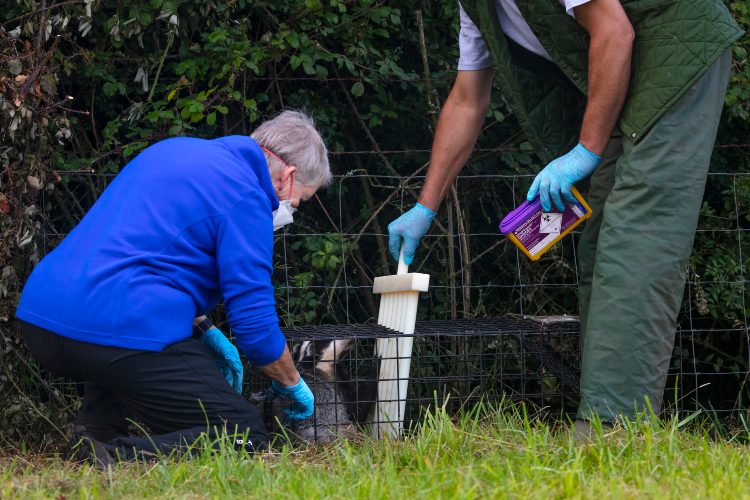
Many homeowners attempt DIY wildlife management by purchasing over-the-counter bait, setting up basic wire traps, or boarding up holes around their property. They might climb ladders to inspect roofs or crawl into tight, dark spaces, such as attics and basements. These actions require coming into proximity with distressed animals. People often underestimate the strength and agility of common pests like squirrels, skunks, and raccoons, assuming a simple trap will solve the issue overnight.
Physical Dangers to Homeowners
Cornered animals fight back. Even a small creature like a squirrel can cause severe lacerations and bite wounds if it feels threatened. Raccoons have sharp claws and teeth that can easily pierce heavy work gloves. Beyond direct contact with the animal, the environment itself poses a hazard. Homeowners frequently suffer injuries from falling off ladders while trying to seal roof gaps or hitting their heads in cramped, poorly lit crawl spaces.
Health Risks Associated with DIY Wildlife Handling
Wild animals carry a host of diseases that can easily spread to humans and pets. Raccoons, bats, and skunks are known carriers of rabies. Animal droppings are incredibly hazardous. Breathing in the dust from dried bat or bird guano can cause histoplasmosis, a serious respiratory infection. Raccoon feces often contain roundworm eggs, which can cause severe neurological damage if accidentally ingested or inhaled during a clumsy DIY wildlife removal attempt.
Legal Risks and Ethical Concerns
State and federal laws heavily regulate wildlife handling. In Illinois, many animal species are protected. Trapping and relocating them without the proper permits can result in hefty fines. Additionally, relocating an animal far from its home territory is often a death sentence, as it will struggle to find food and shelter. Humane handling requires specific knowledge about animal biology and local ecology that most homeowners do not possess.
Property Damage from Improper DIY Efforts
Attempting to seal an animal out of your house can backfire tremendously. If you block an entry point while the animal is still inside, it will panic. Trapped animals routinely tear through drywall, chew through electrical wiring, and destroy insulation in a desperate bid to escape. This erratic behavior drastically increases the risk of electrical fires and thousands of dollars in property damage.
Why DIY Wildlife Handling Often Makes Problems Worse
One of the biggest mistakes amateurs make is trapping a mother animal while leaving her babies hidden inside the home. Without their mother, the babies will slowly perish behind your walls, creating an unbearable odor and attracting secondary pests like flies and maggots. Improper DIY wildlife management prolongs the infestation and creates entirely new, costly headaches for the homeowner.
Benefits of Professional Wildlife Control
Hiring experts ensures the job is done safely, legally, and permanently. Professionals know how to identify entry points, humanely trap animals, and sanitize the affected areas to remove harmful pathogens. Companies providing professional wildlife removal services use specialized exclusion techniques. By trusting a team like Illinois Wildlife Services Inc., you ensure that the animals are removed effectively and your home is fortified against future invasions.
When Homeowners Should Avoid DIY and Call a Professional
You should step away and call an expert the moment you realize wildlife has entered your living space. This is especially urgent if you encounter bats, venomous snakes, or aggressive mammals like raccoons and coyotes. If you do not have the proper safety gear, trapping licenses, or experience reading animal behavior, it is time to seek professional help.
Protect Your Home the Safe Way
Dealing with a wildlife invasion is stressful enough without adding injuries, legal fines, and massive property damage to the mix. Wild animals belong in nature, and moving them requires a skilled approach. Residents in McHenry County, IL, don’t have to face these wild intruders alone. Reclaim your peace of mind by reaching out to Illinois Wildlife Services Inc. Let our professionals handle the risks so you can enjoy a safe, secure, and animal-free home. Contact us today for your service appointment.