
Preparing Your Home for Wildlife Season
Prepare With Wildlife House Protection in McHenry County
As the seasons change in McHenry County, IL, local animals begin searching for food, shelter, and safe places to raise their young. This shift in behavior leads to an unexpected increase in animal activity in residential neighborhoods. Preparing your property with wildlife house protection ensures you can enjoy nature safely without dealing with uninvited house guests. Taking a proactive approach prevents costly property damage and keeps your family safe. As you continue reading, we will walk you through the essential steps to secure your property, understand animal habits, and handle unwanted encounters effectively.
Understanding Seasonal Wildlife Behavior
Animals constantly adapt their habits based on the weather and the time of year. In the spring, many species are busy looking for safe, secluded nesting spots to raise their babies. As temperatures drop significantly in the fall and winter, they desperately seek warmth and reliable food sources to survive the cold. Your cozy, temperature-controlled home looks incredibly appealing to these creatures. Attics provide dry shelter, while basements and crawlspaces offer protection from predators. Recognizing these seasonal patterns is the first step in keeping wild animals where they belong.
Common Active Animals During Wildlife Season
Residents of McHenry County live alongside a diverse range of wildlife, each with unique behaviors that require specific preventative measures. By identifying which animals are most active in your backyard, you can better protect your property from potential intrusions. Common local species and their typical entry methods include:
- Raccoons: Highly intelligent with dexterous paws capable of opening loose trash cans and latches.
- Squirrels: Expert climbers that frequently exploit vulnerabilities in rooflines and soffits to enter attics.
- Skunks and Opossums: Often found seeking shelter under decks, porches, or in low-clearance crawlspaces.
- Bats: Known to utilize small gaps in siding or vents, typically becoming most visible while flying at dusk.
- Mice: Small enough to squeeze through tiny cracks and entry points around a home’s foundation.
Signs Your Home May Be Vulnerable
Before focusing entirely on wildlife house protection, identify the existing weak spots around your property. Walk around your house and look closely for damaged soffits, loose roof shingles, or gaps around ground-level windows and doors. Unsecured trash cans and accessible pet food are major drawcards for hungry foragers. If you hear scratching noises in the attic during the night, or if you notice fresh droppings near your foundation, your home is likely already vulnerable. Addressing these warning signs immediately will stop a minor issue from becoming a major infestation.
Exterior Preparation: Protecting the Outside of Your Home
Securing the physical perimeter of your house is your absolute best line of defense against unwanted pests. To effectively protect your home’s exterior, follow these essential maintenance steps:
- Seal Entry Points: Inspect your roof and siding for holes, and seal any visible gaps with heavy-duty materials like steel mesh or expanding foam to prevent animals from chewing through.
- Maintain Landscaping: Trim tree branches so they sit at least ten feet away from your roofline to eliminate natural bridges that squirrels and raccoons use to access your attic.
- Manage Waste: Secure your garbage bins with tight-fitting, lockable lids to prevent easy access to food.
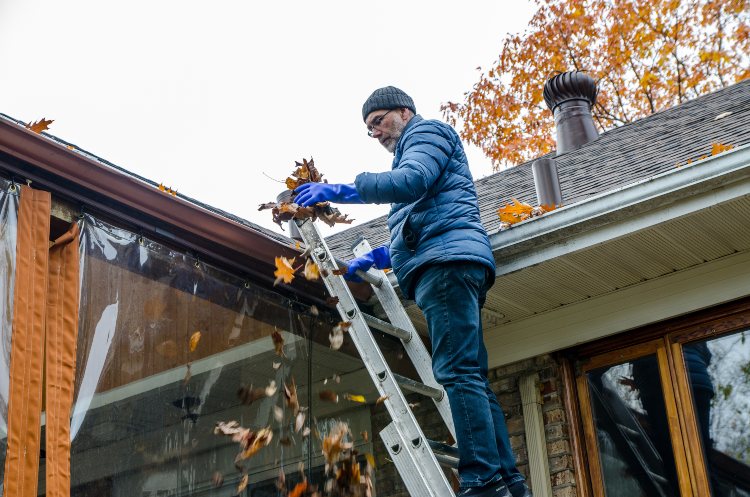
- Clear Gutters: Keep your gutters free of debris to prevent nesting and moisture damage.
Interior Preparation: Reducing Attractants Indoors
Animals are typically drawn to the interior of a home by the scent of a reliable food source, making cleanliness the first line of defense against an infestation. By maintaining a consistently clean environment, you can significantly reduce the likelihood of a pest problem developing within your living spaces:
- Seal Pantry Goods: Store all pantry items in durable, airtight containers to mask odors and prevent access.
- Clean Dishes Promptly: Never leave dirty dishes in the sink overnight, as food residue can act as a primary attractant.
- Remove Crumbs: Sweep up crumb-heavy areas in the kitchen and dining room regularly to eliminate easy foraging opportunities.
- Manage Pet Food: If you feed your pets indoors, pick up their bowls as soon as they finish eating rather than leaving food out indefinitely.
Creating Wildlife-Friendly Spaces Away from the Home
You can still appreciate local nature without inviting it directly into your living room. If you want to attract wildlife to backyard areas, you need to set up designated feeding zones away from your house’s physical structure. Place bird feeders at the very edge of your property line. Plant native shrubs and tall grasses in the back corners of your lot to give backyard wildlife a natural, safe habitat. This strategy keeps local animals happy and completely away from your exterior walls.
When Professional Wildlife Prevention Is Needed
Sometimes, DIY methods fail to solve the problem. If you discover a family of raccoons living in your attic or notice persistent, expensive damage to your property, it is time to call for professional backup. Illinois Wildlife Services Inc. provides humane, highly effective solutions for residents across McHenry County, IL. Our experienced experts understand local animal behaviors perfectly. We use proven, safe strategies to resolve human-wildlife conflicts, ensuring your home remains secure year-round.
Seasonal Wildlife Preparation Checklist
Proactive home maintenance is the most effective way to prevent unwanted visitors from nesting in your eaves or foundation during the changing seasons. Stay organized and prepared with this quick maintenance list:
- Inspect the roof, siding, and foundation for small cracks or holes.
- Trim overhanging tree branches away from the house.
- Secure all outdoor garbage cans with heavy, lockable lids.
- Clean up fallen fruit, berries, or nuts in the yard immediately.
- Store pet food and bird seed indoors in sealed plastic bins.
- Check attic and crawlspace vents to ensure the wire screens are fully intact.
- Install a sturdy chimney cap to prevent birds and raccoons from entering.
Secure Your Home for the Season Ahead
Taking proactive steps right now saves you significant time, money, and stress later in the year. By sealing structural entry points and managing accessible food sources, you create a strong barrier between your family and local animals. If you need expert help with property inspections or humane animal removal, reach out to Illinois Wildlife Services Inc. today to schedule a consultation.