
Hidden Entry Points Wildlife Use to Get Into Homes
Hidden Entry Points Wildlife Use to Get Into Homes
Wild animals are surprisingly resourceful when it comes to finding shelter. Raccoons, squirrels, bats, mice, and birds often take advantage of small openings around homes to escape harsh weather, raise their young, or search for food. Unfortunately, many of these entry points are hidden from plain sight, allowing animals to move in before homeowners even realize there is a problem. Understanding where these access points exist is the first step toward protecting your property.
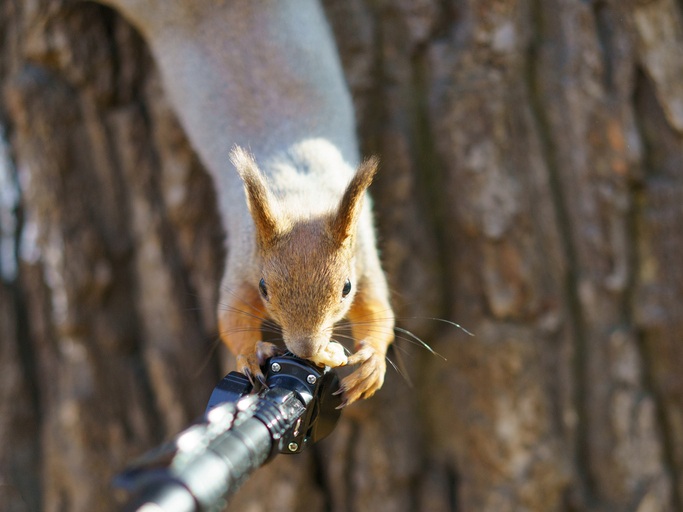
Why Wildlife Looks for Entry Points Around Your Home
Homes provide everything wildlife needs to survive. Attics, crawl spaces, chimneys, and wall voids offer warmth, protection from predators, and safe nesting areas. During cold winters and stormy weather in McHenry County, animals actively seek out vulnerable areas where they can gain access. Wildlife is especially attracted to homes with:
- Easy access to food sources, including pet food, bird feeders, and garbage.
- Water sources such as leaky pipes, gutters, or outdoor faucets.
- Warm, sheltered spaces for nesting and raising young.
- Unsealed openings around the roofline, foundation, or utility lines.
Hidden Entry Points Wildlife Can Use to Get Into Homes
Many homeowners are surprised by how many vulnerable areas exist around a property. Some of the most common hidden house wildlife entry points include:
- Roof Vents and Attic Openings: Roof vents are essential for ventilation, but damaged or loosely fitted vent covers can create easy access points for animals. Squirrels, raccoons, and bats frequently enter through these openings.
- Soffits and Fascia Gaps: Over time, weather and age can cause soffits and fascia boards to loosen or deteriorate. Wildlife can exploit these small gaps to gain access to attics and wall cavities.
- Chimneys: An uncapped chimney functions like an open doorway for many animals. Birds, raccoons, and squirrels can enter chimneys and sometimes become trapped inside.
- Damaged Roofing and Flashing: Loose shingles, deteriorated flashing, and roof damage can create hidden openings that are difficult to detect from ground level.
- Utility and Plumbing Penetrations: Gaps around electrical conduits, cable lines, plumbing pipes, and HVAC systems often provide entry points for mice and other small animals.
- Foundation Cracks and Crawl Space Vents: Small cracks in foundations or damaged crawl space vent covers may appear insignificant, but they can allow rodents and other wildlife to enter your home.
Signs Wildlife May Be Using an Entry Point
Wildlife activity often leaves behind clues. Watch for these warning signs:
- Scratching, scurrying, or chirping sounds in walls or ceilings.
- Droppings near vents, attics, or crawl spaces.
- Damaged insulation or nesting materials.
- Unpleasant odors coming from hidden areas.
- Visible chew marks around openings.
- Animals regularly entering and exiting the same location.
How to Prevent Wildlife From Entering Your Home
Proactive maintenance is the best defense against unwanted guests. Effective wildlife entry point sealing measures include:
- Inspecting your roof and attic regularly.
- Installing chimney caps and vent covers.
- Repairing damaged soffits, fascia, and roofing materials.
- Sealing gaps around utility penetrations.
- Trimming tree branches away from the roof.
- Removing food sources that attract wildlife.
What to Do If Wildlife Gets Inside Your Home
If you suspect wildlife has entered your home, avoid attempting to remove the animals yourself. Some animals may become aggressive when cornered, while others can carry diseases or parasites. Instead:
- Keep a safe distance from the affected area.
- Do not seal openings while animals are still inside.
- Contact a wildlife removal professional for inspection and removal.
- Schedule repairs and wildlife entry point sealing after removal is complete.
Contact Illinois Wildlife Services, Inc.
Illinois Wildlife Services, Inc. provides humane wildlife removal throughout McHenry County, IL. Regular inspections, timely maintenance, and professional wildlife entry point repair services can help homeowners keep wildlife outside where it belongs. Contact us today to schedule an appointment with our team.