
How Climate Change Is Increasing Wildlife Intrusions into Homes
Discover How to Combat Wildlife Damage in Your Home
Residents across McHenry County, IL, are noticing an unexpected and frustrating trend. Raccoons, squirrels, and bats are showing up in residential attics, basements, and crawlspaces more frequently than ever before. This sudden spike in animal activity is not just a coincidence. The shifting climate is pushing local animals to seek out new shelters, often leading them directly to our front doors. Understanding how climate change affects wildlife is essential for protecting your property and preserving the local ecosystem. Extreme weather events, fluctuating temperatures, and prolonged droughts are forcing animals to adapt rapidly to survive. Because of these environmental shifts, homeowners are dealing with unprecedented levels of wildlife damage to their property. As you read below, we’ll explore the direct link between shifting weather patterns and animal behavior. You will learn why local species are moving indoors and discover effective strategies to secure your property against unexpected animal visitors.
How Climate Change Is Altering Animal Behavior
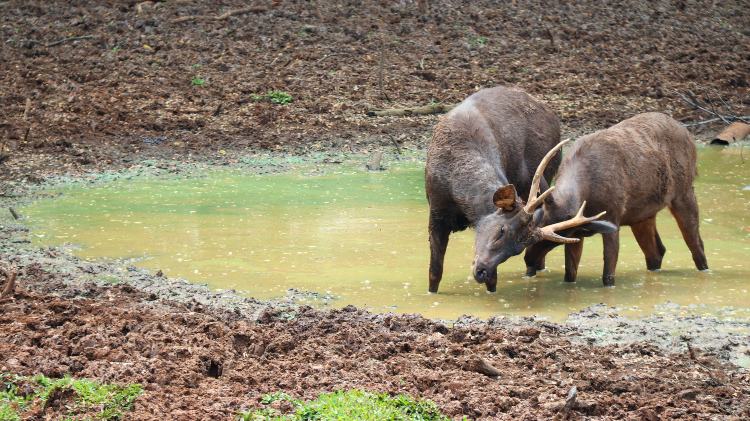
The effects of climate change on wildlife extend far beyond melting ice caps. Right here in Illinois, local ecosystems are experiencing significant stress. Warmer winters often disrupt natural hibernation cycles, causing animals to remain active for longer portions of the year. When animals stay awake through the winter, they need food and shelter at times when natural resources are exceptionally scarce. Additionally, unpredictable severe storms and flooding frequently destroy natural nesting sites. When an animal’s natural habitat becomes unlivable, survival instincts kick in. The impact of climate change forces wildlife to migrate and adapt, ultimately leading them toward human settlements where conditions are more stable.
Habitat Loss and Urban Expansion
Climate stress rarely acts alone. It combines with ongoing urban development to put immense pressure on local animal populations. As McHenry County continues to grow, residential areas often push into forests, fields, and wetlands. When extreme weather damages the few remaining natural habitats, animals have nowhere else to go. Shrinking resources mean wildlife must travel farther to find water, food, and safe places to raise their young. The combination of land development and climate change affecting wildlife creates a perfect storm, pushing animals directly into suburban neighborhoods.
Common Wildlife Intrusions Linked to Climate Change
Certain species are particularly adept at adapting to urban environments when natural conditions fail them. As weather patterns shift, you are most likely to encounter a few specific offenders:
- Raccoons: Highly intelligent and resourceful, raccoons will tear through roof shingles and vents to escape extreme cold or heavy rains.
- Squirrels: Unseasonably warm winters keep squirrels active. They often seek out warm attics to build nests and hoard food when natural supplies dwindle.
- Bats: Shifts in insect populations due to temperature changes force bats to relocate. Your home’s eaves and chimneys provide the perfect temperature-controlled roost.
- Mice and Rats: Flooding regularly washes out underground rodent burrows, sending large populations of mice and rats scurrying into nearby basements for dry shelter.
Why Homes Are Becoming More Attractive to Wildlife
Your home is a luxury resort for an animal fleeing harsh environmental conditions. While the outdoors might offer freezing winds, blazing heat, or flooding, your attic provides consistent, comfortable temperatures year-round. Human habitats also offer highly reliable food sources. When droughts kill off native plants and insects, animals turn to uncovered trash cans, accessible pet food, and bird feeders. By providing easy access to food and climate-controlled shelter, residential properties inadvertently become magnets for displaced animals.
Risks and Problems Caused by Wildlife Intrusions
When animals move in, they bring a host of problems. Wildlife damage can be extensive and incredibly costly to repair. Raccoons and squirrels routinely chew through electrical wiring, creating severe fire hazards hidden behind your walls. They also tear up insulation to build nests, which drastically reduces your home’s energy efficiency.
Beyond the structural damage to wildlife, these intrusions pose serious health risks. Accumulating animal droppings can spread diseases and compromise your home’s indoor air quality. Parasites like fleas, ticks, and mites often ride in on the backs of these animals, leading to secondary infestations within your living spaces.
How Homeowners Can Reduce Wildlife Intrusions
Proactive wildlife damage management is the primary defense for protecting your home; by making your property less inviting, you encourage animals to seek shelter elsewhere. To effectively safeguard your residence, consider the following preventative measures:
- Seal Entry Points: Conduct a thorough exterior inspection and seal any cracks, gaps, or holes in the foundation, siding, and roof.
- Install Barriers: Place heavy-duty screens over chimney openings and attic vents to block common access routes.
- Eliminate Food Sources: Secure garbage in bins with locking lids and ensure pets are fed strictly indoors to avoid attracting scavengers.
- Maintain Landscaping: Keep trees and shrubs trimmed back from the roofline to prevent animals like squirrels and raccoons from using branches as bridges to your home.
Protect Your Property from Changing Wildlife Trends
As environmental conditions continue to shift, homeowners must stay vigilant. The changing climate will keep pushing animals out of their natural habitats and into ours. Understanding these patterns is the first step in defending your property. If you are already dealing with unwanted animal guests, do not attempt to handle the removal yourself. Professional intervention ensures the safety of both your family and the animals. Contact us today for expert wildlife damage management. Our team understands the unique challenges facing McHenry County and provides humane, effective solutions to keep your home secure year-round.