
How Urban Development Forces Wildlife into Residential Properties
Providing Residential Wildlife Control in McHenry County, IL
As McHenry County, IL, continues to grow, new subdivisions and commercial centers quickly replace open fields and dense woods. Construction machines clear massive tracts of land to make way for roads, shopping centers, and housing. While this regional growth brings economic benefits and new community opportunities, it severely disrupts the natural habitats that local animals rely on for survival. The impact of urbanization on wildlife becomes highly visible when animals suddenly appear in backyards, inside attics, and underneath residential porches. As you read below, we’ll talk about the direct relationship between neighborhood expansion and animal displacement. You will learn why local animals seek refuge in human habitats, the specific risks they pose to your home, and how proper residential wildlife control can keep your property safe.
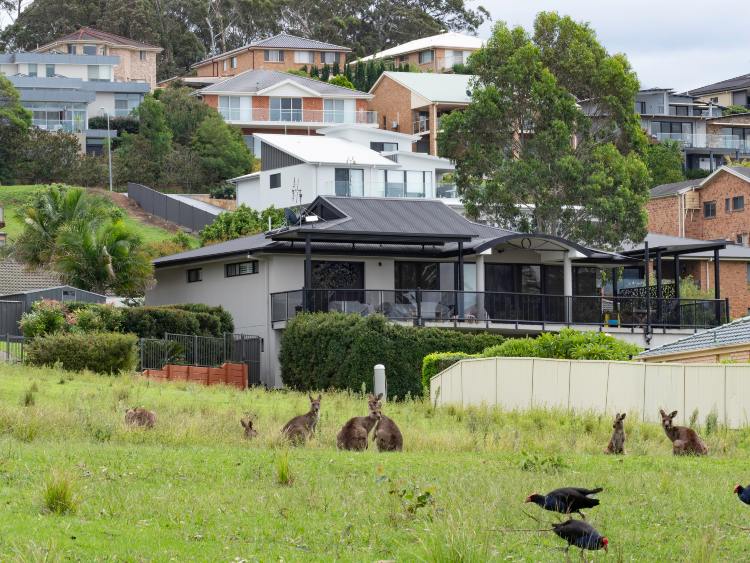
Urban Growth Meets Wildlife Displacement
When excavators and bulldozers roll into a forested area, the immediate environment changes permanently. Trees that provided canopy cover and nesting grounds fall. The brush that offered safe hiding spots gets paved over. The native animals living in these zones do not simply vanish. Instead, they scatter to the nearest available spaces. Often, the closest available spaces are the newly built neighborhoods that replaced their former homes.
What Urban Development Means for Wildlife
Development forces animals to rapidly change their daily survival strategies. Natural food sources, such as specific plants, insects, and smaller prey, disappear beneath concrete. Traditional water sources might be redirected or covered. Consequently, the animals must learn to scavenge for new types of food and to locate alternative sources of fresh water. This sudden loss of natural resources places immense stress on local animal populations, pushing them to seek out the easiest available alternatives for sustenance and shelter.
Why Wildlife Is Pushed into Residential Areas
Without forests and meadows, animals look closely at human habitats. A residential property offers a goldmine of resources. Houses provide exceptional warmth during the freezing Illinois winters and cool shade during the summer. Attics, crawl spaces, and sheds offer ideal, predator-free environments for raising young. Furthermore, residential areas provide abundant food. Unsecured garbage cans, outdoor pet food bowls, bird feeders, and vegetable gardens serve as easy meals for hungry animals that have lost their natural foraging grounds.
How Wildlife Adapts to Urban Environments
Animals are remarkably resilient and learn to thrive alongside humans. Urban wildlife quickly learns to navigate man-made structures. Raccoons develop the dexterity to open complex trash can lids and unlatch gates. Squirrels use utility wires as high-speed transit systems to travel from yard to yard without touching the ground. Skunks learn that space beneath a concrete patio is just as secure as a natural burrow. These behavioral adaptations help them survive, but they also put them in direct contact with homeowners.
Common Wildlife Found in Residential Properties
In McHenry County, certain species are notorious for moving into residential spaces. Raccoons frequently tear through roof vents to establish dens in attics. Squirrels chew through wooden fascia boards to nest in ceiling gaps. Skunks and groundhogs prefer to dig extensive burrows under decks, sheds, and foundations. Bats often find tiny gaps near rooflines to roost in dark, quiet spaces. Opossums usually take up residence under porches or in open garages.
Problems Caused by Wildlife Intrusions
When animals move into your home, they bring a host of serious problems. Rodents and raccoons chew through electrical wiring, creating significant fire hazards. They trample and soil attic insulation with urine and feces, which ruins the material’s effectiveness and spreads awful odors throughout the house. Wildlife droppings can also harbor dangerous diseases and parasites, putting your family and pets at risk. The structural damage caused by nesting animals can cost thousands of dollars to repair if left unchecked.
The Growing Conflict Between Development and Conservation
As human populations expand, the overlap between developed land and wildlife territory increases. This creates a constant tension. Communities want safe, clean neighborhoods, while conservationists emphasize protecting local ecosystems. Managing this overlap requires thoughtful urban planning, such as maintaining green corridors and preserving local parks, to provide designated spaces for animals to live away from residential areas.
How Homeowners Can Reduce Wildlife Conflicts
You can take several proactive steps to make your property less inviting to wild animals. Secure all outdoor garbage cans with tight-fitting lids. Remove pet food from your porch as soon as your animal finishes eating. Trim tree branches at least ten feet away from your roofline to prevent animals from jumping onto your house.
For long-term protection, investing in residential wildlife exclusion solutions is highly effective. This involves sealing gaps, installing heavy-duty vent covers, and burying wire mesh trenches around decks. If animals have already invaded your space, do not attempt to handle them yourself. Relying on professional urban wildlife control ensures the job is done safely and legally. The experts at Illinois Wildlife Services Inc. specialize in humane residential wildlife removal, effectively clearing your home of unwanted guests while preventing future intrusions.
Creating a Balance Between Cities and Nature
Understanding why animals behave the way they do is the first step in resolving human-wildlife conflicts. Urban development will continue, but homeowners do not have to accept property damage as an inevitable side effect. By securing your home and partnering with seasoned professionals for residential wildlife control, you can protect your property while respecting the local ecosystem. If you suspect animals have moved into your home or you want to safeguard your property against future invasions, contact us at Illinois Wildlife Services Inc. today. Our team will inspect your property and provide tailored solutions to keep your home safe and secure.